Denver Property Management in 2026: Rent Benchmarks, Occupancy, and Lease-Up Timelines
By Wyatt Lovera
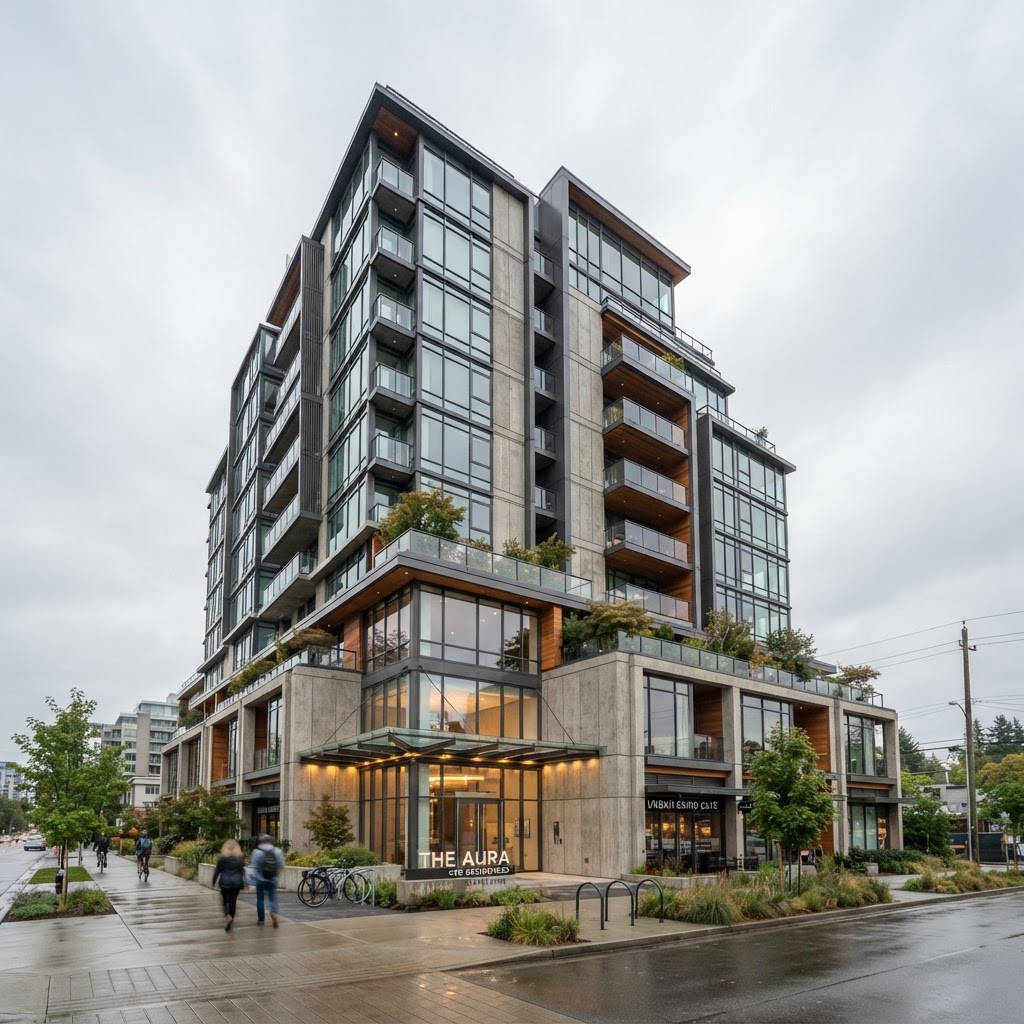
Denver is one of the most supply-constrained rental markets in the Mountain West. For property managers, that means higher baseline occupancy but tighter margins on lease-up, where every extra week a unit sits empty compounds against annual NOI. This guide gives Denver property managers the 2026 benchmarks they reference most often: average rents by bedroom, occupancy trends, the supply pipeline, and realistic lease-up timelines.
What is the average rent in Denver in 2026?
As of 2026, average asking rents in Denver run approximately $1,800 for a one-bedroom and $2,400 for a two-bedroom, with Class A downtown units commanding a premium. Rents have stabilized after the 2023-2024 correction, growing low single digits annually. Property managers should treat these as planning benchmarks and verify against live submarket data before underwriting.
What is the average occupancy rate for Denver rentals?
Denver's average rental occupancy sits near 94-95% in 2026, with well-managed assets routinely holding above 95%. The market's supply constraint keeps occupancy resilient, but it also means lease-up quality matters more than volume: filling a unit fast with the wrong resident drives turnover that erodes the occupancy you worked to build.
How long does lease-up take in Denver?
A stabilized Denver lease-up typically runs 8-12 weeks for a ready unit in a strong submarket, longer for new construction or value-add assets in transition. The largest variable is not demand but qualification discipline: pre-qualified tours and confirmed follow-up compress timelines far more than raw lead volume.
What should Denver property managers watch in 2026?
Watch three things: the limited new-supply pipeline keeping rents firm, resident retention as the cheapest path to occupancy, and maintenance response speed as the leading indicator of renewal. Denver residents expect fast, documented service; the managers who deliver it hold occupancy without concessions.